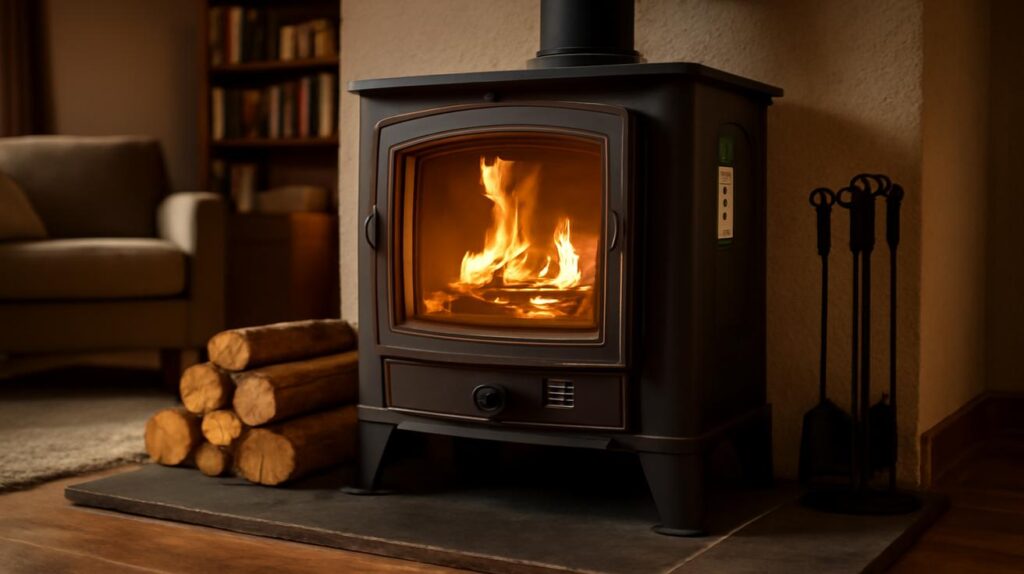

With energy costs rising and interest in efficient home heating growing rapidly, wood stoves are making a strong comeback. Many homeowners are turning to this traditional heating solution for its reliability, warmth, and long term cost efficiency. However, choosing the wrong wood stove can lead to poor heating performance, safety concerns, and unnecessary expenses.
Heating specialists emphasize that selecting the right wood stove requires careful consideration of several technical and practical factors. Understanding these details before making a purchase can help homeowners invest in a stove that delivers comfort, efficiency, and durability for years.
Why Choosing the Right Wood Stove Matters More Than Ever
A wood stove is not just another household appliance. It becomes a central part of a home’s heating system, especially in colder regions where consistent warmth is essential.
An incorrectly sized or poorly designed stove can result in uneven heating, excessive smoke production, and inefficient fuel consumption. In contrast, a well chosen stove can provide steady heat, reduce heating costs, and enhance overall home comfort.
For this reason, experts recommend evaluating multiple factors before deciding which model to install.
Five Essential Factors to Consider Before Buying a Wood Stove
• Heating capacity and room size compatibility
• Stove efficiency and fuel consumption rate
• Quality of materials such as cast iron or steel construction
• Safety certifications and emission standards
• Installation requirements and chimney compatibility
Each of these elements plays a crucial role in determining whether the stove will perform effectively in your home environment.
Understanding Heating Capacity and Room Size
| Home Area Size | Recommended Stove Output |
|---|---|
| Small rooms up to 80 m² | 4 to 6 kW stove |
| Medium homes 80 to 150 m² | 6 to 9 kW stove |
| Large spaces above 150 m² | 9 to 12 kW stove |
Choosing a stove with the correct heating output ensures that the room remains comfortable without overheating or wasting fuel. Oversized stoves may generate excessive heat, while undersized models struggle to warm larger spaces.
Proper sizing also contributes to better fuel efficiency and longer stove lifespan.
Material Quality and Build Durability
Wood stoves are commonly made from cast iron, steel, or a combination of both. Each material offers unique advantages depending on the heating requirements.
Cast iron stoves retain heat for longer periods and release warmth gradually, making them ideal for steady heating. Steel stoves typically heat up faster, delivering warmth more quickly after lighting the fire.
A well constructed stove with high quality materials will also resist warping, cracking, and long term wear caused by intense heat exposure.
Efficiency and Environmental Performance
Modern wood stoves are designed with improved combustion systems that maximize heat output while minimizing smoke emissions. High efficiency stoves burn wood more completely, producing more heat from less fuel.
This efficiency not only lowers heating costs but also reduces environmental impact. Many regions now encourage the use of stoves that meet strict emission standards to improve air quality.
Investing in an efficient model ensures both economic and environmental benefits.
Installation and Safety Considerations
Installing a wood stove involves more than simply placing it in a room. Proper ventilation, chimney compatibility, and safe clearance distances from walls and furniture must be carefully planned.
Professional installation is strongly recommended to ensure the stove operates safely and complies with local building regulations. Adequate ventilation and correct flue systems help prevent smoke buildup and maintain safe indoor air quality.
Homeowners should also ensure that the stove includes certified safety features and meets approved heating standards.
Conclusion:
Choosing the right wood stove requires more than focusing on design or price alone. Heating capacity, construction quality, efficiency, safety standards, and installation requirements all play crucial roles in determining whether the stove will perform effectively.
By carefully evaluating these five factors, homeowners can avoid costly mistakes and invest in a heating solution that provides reliable warmth, energy efficiency, and long term durability.
Disclaimer:
Heating requirements vary depending on climate conditions, building insulation, and local regulations. Homeowners should consult qualified heating professionals before installing a wood stove to ensure proper sizing and safe installation.