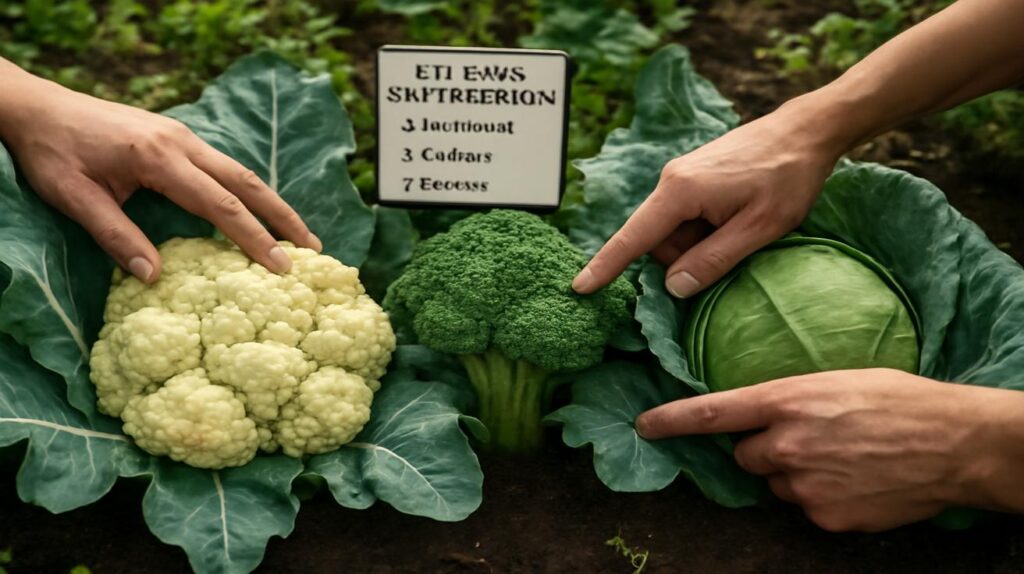

Most people see cauliflower, broccoli, and cabbage as completely different vegetables. They look different, taste different, and are used in very different recipes. However, botanists reveal a fascinating truth that surprises many gardeners and food lovers. These popular vegetables are actually different varieties of the very same plant species.
Despite their distinct appearance on the dinner table, cauliflower, broccoli, cabbage, kale, and even Brussels sprouts all belong to one remarkable plant known scientifically as Brassica oleracea. Through centuries of selective cultivation, farmers gradually shaped this single species into a wide range of vegetables that now appear completely unrelated.
This botanical story demonstrates how human agriculture has dramatically transformed plants over time.
The Single Plant Behind Many Popular Vegetables
Brassica oleracea originally grew as a wild coastal plant found in parts of Europe. Early farmers noticed that the plant had several unique traits that could be emphasized through selective breeding.
Over many generations, growers began choosing plants that developed larger leaves, thicker stems, or unusual flower buds. By repeatedly selecting these characteristics, farmers slowly created vegetables that looked entirely different from one another.
Today, many vegetables in grocery stores are actually specialized versions of this one ancient plant species.
How Different Vegetables Developed From the Same Species
| Vegetable | Part of the Plant That Was Developed |
|---|---|
| Cabbage | Dense leaf head |
| Broccoli | Flower buds and thick stems |
| Cauliflower | Compact undeveloped flower clusters |
| Kale | Large leafy growth |
| Brussels sprouts | Small side buds along the stem |
Each vegetable represents a different part of the plant that farmers encouraged to grow larger or more prominent through centuries of cultivation.
Why These Vegetables Look So Different
The dramatic differences between broccoli, cabbage, and cauliflower are the result of selective breeding rather than separate plant origins. Farmers focused on specific plant traits that they wanted to enhance.
For example, cabbage was developed by selecting plants that formed tight leafy heads. Broccoli was created by emphasizing clusters of immature flower buds. Cauliflower was cultivated by encouraging dense flower structures that remain tightly packed.
Even though these vegetables appear unrelated, they share the same genetic foundation.
Nutritional Benefits Shared by the Brassica Family
Because these vegetables belong to the same species group, they share many important nutritional qualities.
• Rich source of dietary fiber
• High levels of vitamin C and vitamin K
• Natural plant compounds that support cellular health
• Antioxidants that help protect the body from oxidative stress
• Low calorie density with strong nutritional value
These nutritional similarities are one reason why health experts often recommend including cruciferous vegetables regularly in a balanced diet.
How Farmers Continue Developing New Varieties
Agricultural scientists continue experimenting with Brassica crops to develop new varieties that are more resilient, flavorful, and productive. Modern plant breeding focuses on improving disease resistance, climate adaptability, and nutritional content.
Because all these vegetables share a common genetic origin, plant breeders can explore new ways to combine desirable traits from different varieties.
This ongoing research ensures that the Brassica family will remain one of the most versatile and important groups of vegetables in global agriculture.
Conclusion:
The discovery that cauliflower, broccoli, cabbage, kale, and Brussels sprouts all come from the same plant species highlights the remarkable impact of human cultivation on agriculture. Through centuries of careful selection, farmers transformed a single wild plant into a diverse collection of vegetables that now appear completely distinct.
Understanding this shared origin offers a fascinating glimpse into the science of plant breeding and the hidden connections within everyday foods.
Disclaimer:
Nutritional values and plant characteristics may vary depending on growing conditions, plant varieties, and agricultural practices. The information provided offers general botanical insights into Brassica vegetables.