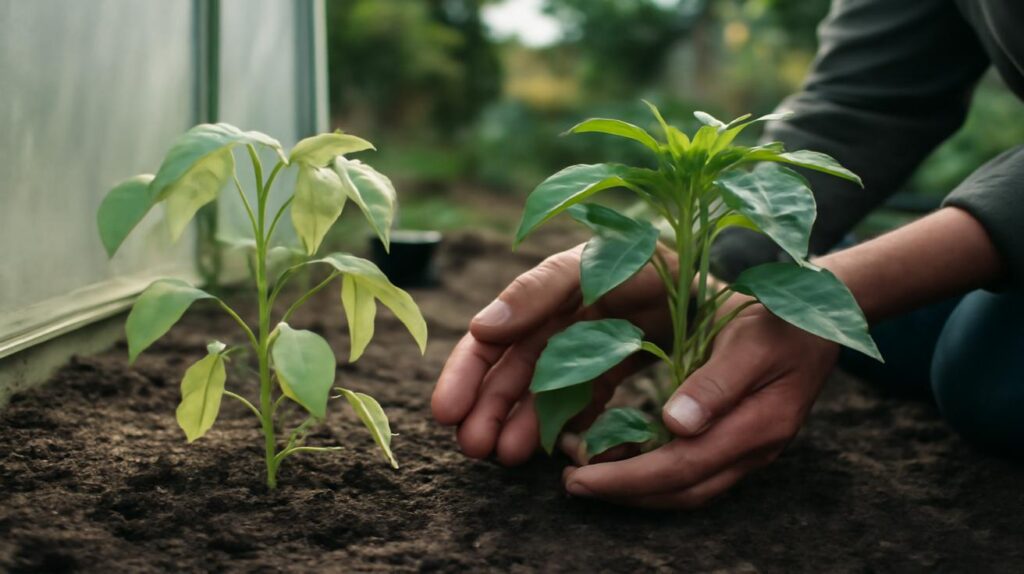

Many gardeners believe that the more care and protection plants receive, the stronger and healthier they will become. However, horticulture experts are increasingly highlighting a surprising truth. Excessive protection can actually weaken plants and reduce their ability to survive in natural conditions.
Plants, much like living ecosystems, require exposure to natural challenges in order to develop resilience. When gardeners shield plants too heavily from wind, sunlight variation, pests, or mild environmental stress, those plants often grow softer, weaker, and less adaptable.
Understanding the balance between care and natural exposure has become an important lesson in modern gardening practices.
Why Plants Need Natural Stress to Grow Stronger
Plants evolve in natural environments where they must constantly respond to changing conditions. Wind strengthens stems, sunlight fluctuations improve photosynthesis efficiency, and minor environmental stress triggers defensive responses that make plants more durable.
When plants experience controlled levels of stress, they activate biological mechanisms that enhance their internal strength. These responses can improve root development, structural stability, and resistance to disease.
Without these natural triggers, plants may grow quickly but lack the structural strength needed to thrive outside protected environments.
Common Ways Gardeners Accidentally Overprotect Plants
Many well meaning gardening habits can unintentionally limit a plant’s natural development. While the goal is often to protect the plant, the result can be weaker growth patterns.
• Watering excessively even when soil remains moist
• Keeping plants permanently sheltered from wind
• Using too much fertilizer that encourages soft growth
• Overusing pest control treatments that prevent natural resistance
• Growing plants indoors too long before outdoor exposure
These practices may seem helpful but can actually reduce a plant’s ability to adapt once environmental conditions become less controlled.
Signs That a Plant May Be Overprotected
| Warning Sign | What It May Indicate |
|---|---|
| Thin or weak stems | Lack of wind exposure |
| Rapid but fragile growth | Excess fertilizer or water |
| Poor root development | Constant moisture without stress |
| Sensitivity to mild temperature changes | Limited environmental exposure |
| Increased disease vulnerability | Weak natural defense responses |
Recognizing these signs can help gardeners adjust their care routines before plants become too dependent on controlled conditions.
How Controlled Stress Strengthens Plants
Experienced gardeners often introduce controlled environmental challenges to encourage stronger growth. For example, seedlings are gradually exposed to outdoor conditions through a process known as hardening off.
During this stage, plants are slowly introduced to sunlight, wind, and cooler temperatures. This gradual exposure stimulates the development of thicker stems, stronger roots, and improved resistance to environmental fluctuations.
Similarly, allowing soil to dry slightly between watering cycles can encourage roots to grow deeper in search of moisture.
Why Resilient Plants Perform Better in the Long Run
Plants that develop natural resilience often require less maintenance over time. Stronger root systems allow them to access deeper nutrients and water reserves, while sturdier stems can withstand wind and weather fluctuations.
These plants are also more capable of defending themselves against pests and diseases. Rather than relying entirely on external protection, resilient plants activate their own biological defense systems.
For gardeners, this means healthier gardens with fewer interventions and more sustainable growth patterns.
Conclusion:
While attentive care remains essential in gardening, excessive protection can unintentionally weaken plants. Exposure to natural environmental challenges helps plants develop stronger roots, sturdier stems, and better disease resistance.
By allowing plants to experience controlled levels of stress, gardeners can cultivate crops and ornamental plants that are more resilient, adaptable, and capable of thriving in real world conditions.
Disclaimer:
Plant care practices may vary depending on species, climate, and local soil conditions. The information provided is general gardening guidance and should be adapted to specific plant requirements and environmental factors.