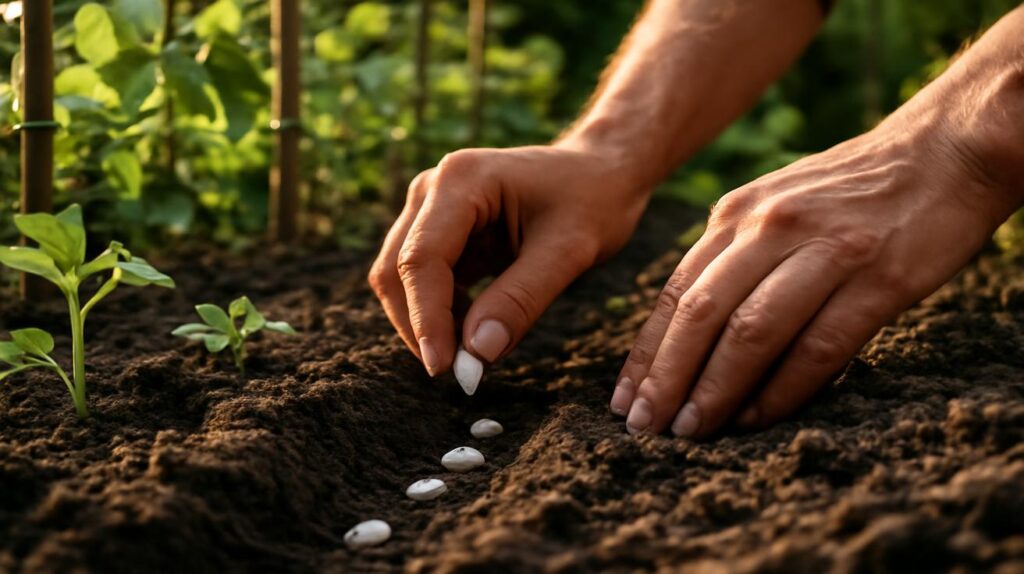

Across home gardens and small farms, a subtle but powerful shift is taking place in how beans are planted. Experienced gardeners are moving away from traditional straight row planting and adopting smarter techniques designed to boost plant strength, improve soil health, and dramatically increase yields.
What once seemed like a routine planting process is now being reconsidered through modern gardening insights and practical experimentation. The result is a new wave of planting methods that encourage stronger root development, healthier plants, and more productive harvests.
Why Gardeners Are Rethinking Traditional Bean Planting
For decades, beans were typically planted in simple rows with uniform spacing. While this approach works, many gardeners have discovered that alternative planting patterns and soil preparation techniques can significantly enhance plant growth.
Beans are highly responsive to soil conditions, sunlight exposure, and root space. When these factors are optimized, plants often grow faster, produce more pods, and remain healthier throughout the season.
The growing interest in soil health and sustainable gardening has also played a role in encouraging gardeners to experiment with smarter planting layouts.
The New Bean Planting Approach Gaining Popularity
Instead of relying solely on straight rows, many gardeners are adopting clustered planting patterns or triangular spacing methods. These techniques allow plants to support each other while also improving airflow and sunlight distribution.
Some gardeners also plant beans in slightly raised soil mounds or wide blocks rather than long rows. This method can help maintain better soil warmth and moisture balance, which beans prefer during early growth stages.
Another key change involves preparing the soil with organic matter before planting. Compost enriched soil supports the beneficial bacteria that help beans fix nitrogen, a process that naturally improves soil fertility.
Key Benefits Gardeners Are Reporting
Gardeners who adopt these updated planting methods often notice stronger plant development and more consistent yields throughout the growing season.
• Improved root growth and soil stability
• Better sunlight exposure across plants
• Stronger stems with reduced breakage
• Higher pod production per plant
• Improved airflow that reduces plant diseases
These benefits make the new planting approach especially appealing for gardeners who want healthier crops without relying heavily on fertilizers or chemical treatments.
Optimal Spacing and Growth Conditions for Beans
| Planting Factor | Recommended Approach |
|---|---|
| Spacing | 10 to 15 cm between plants in clusters |
| Soil Type | Loose, well drained soil rich in organic matter |
| Sunlight | Full sun exposure for at least 6 hours daily |
| Watering | Consistent moisture without waterlogging |
| Soil Temperature | Ideally above 15°C for germination |
Maintaining proper spacing and soil conditions allows bean plants to grow vigorously while preventing overcrowding that can restrict airflow and nutrient absorption.
Why Soil Health Plays a Major Role in Bean Growth
Beans belong to the legume family and have the unique ability to fix nitrogen in the soil through a symbiotic relationship with beneficial bacteria. This natural process enriches the soil and supports stronger plant development.
Gardeners who focus on improving soil structure with compost, mulch, and organic amendments often see significant improvements in plant vitality. Healthy soil allows roots to spread freely, absorb nutrients efficiently, and maintain moisture levels more effectively.
This is one of the reasons why modern gardening practices are increasingly centered around soil regeneration rather than heavy fertilizer use.
A Growing Movement Toward Smarter Gardening
The shift in bean planting techniques reflects a larger movement within home gardening toward more thoughtful and sustainable growing practices. Gardeners today are sharing their experiences through online communities, gardening groups, and educational platforms.
These shared insights allow practical techniques to spread quickly, helping both beginners and experienced growers achieve better results with simple adjustments.
Small changes in planting patterns, soil preparation, and plant spacing can often make a dramatic difference in crop performance.
Conclusion:
The way beans are planted in home gardens is evolving as gardeners discover more efficient and productive techniques. By moving beyond traditional row planting and focusing on soil health, spacing, and plant support, many growers are achieving stronger plants and larger harvests.
These modern planting strategies demonstrate how simple adjustments in gardening methods can unlock impressive improvements in plant growth and overall garden productivity.
Disclaimer:
Gardening results may vary depending on climate, soil conditions, plant varieties, and local growing environments. The techniques discussed are general gardening practices and may require adaptation based on specific regional conditions.